
Replace Unused Tubs With Walk-In Access
Tub-to-Shower Conversions in Medina for Aging Homeowners Seeking Safer Bathroom Layouts
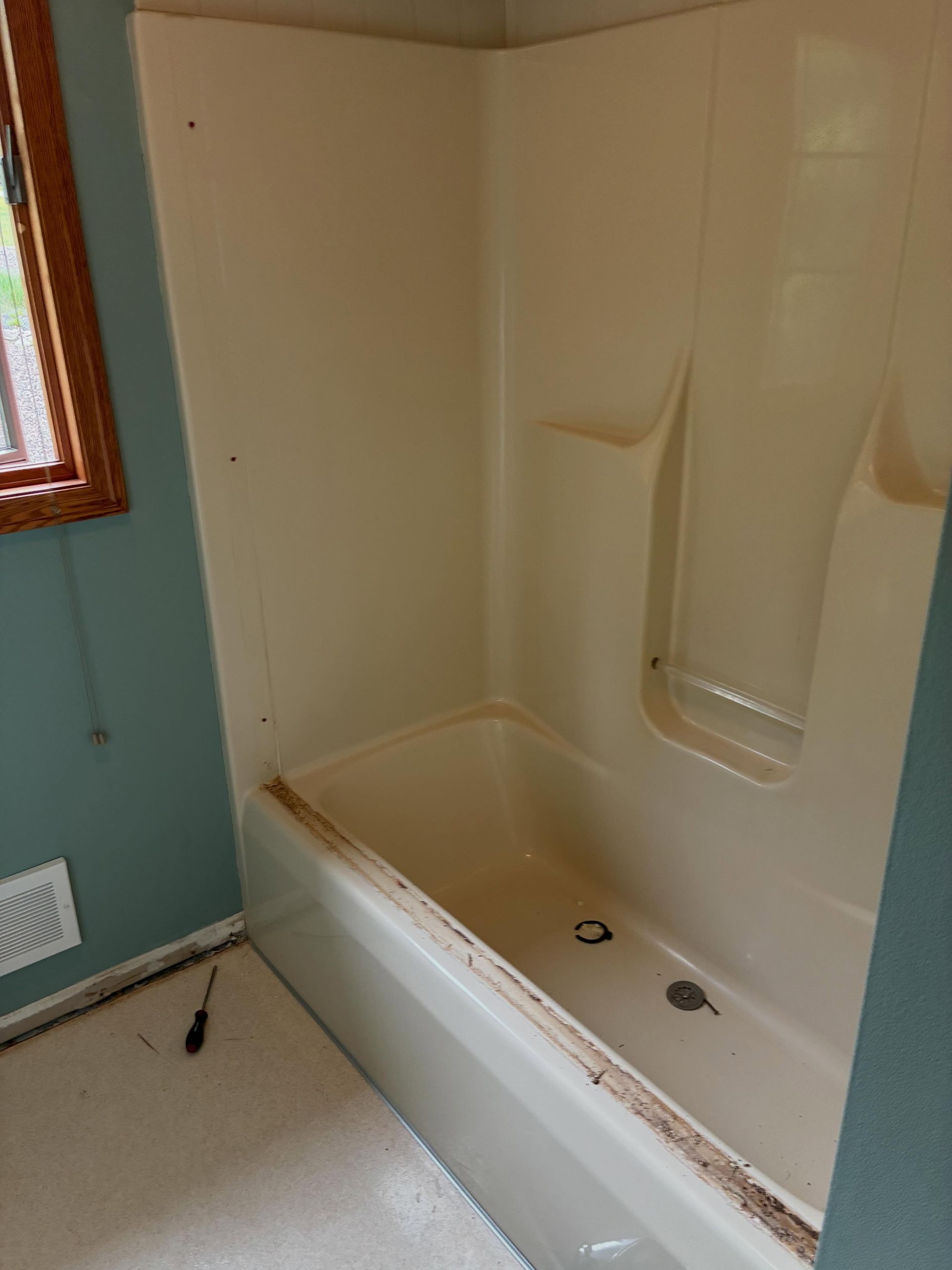
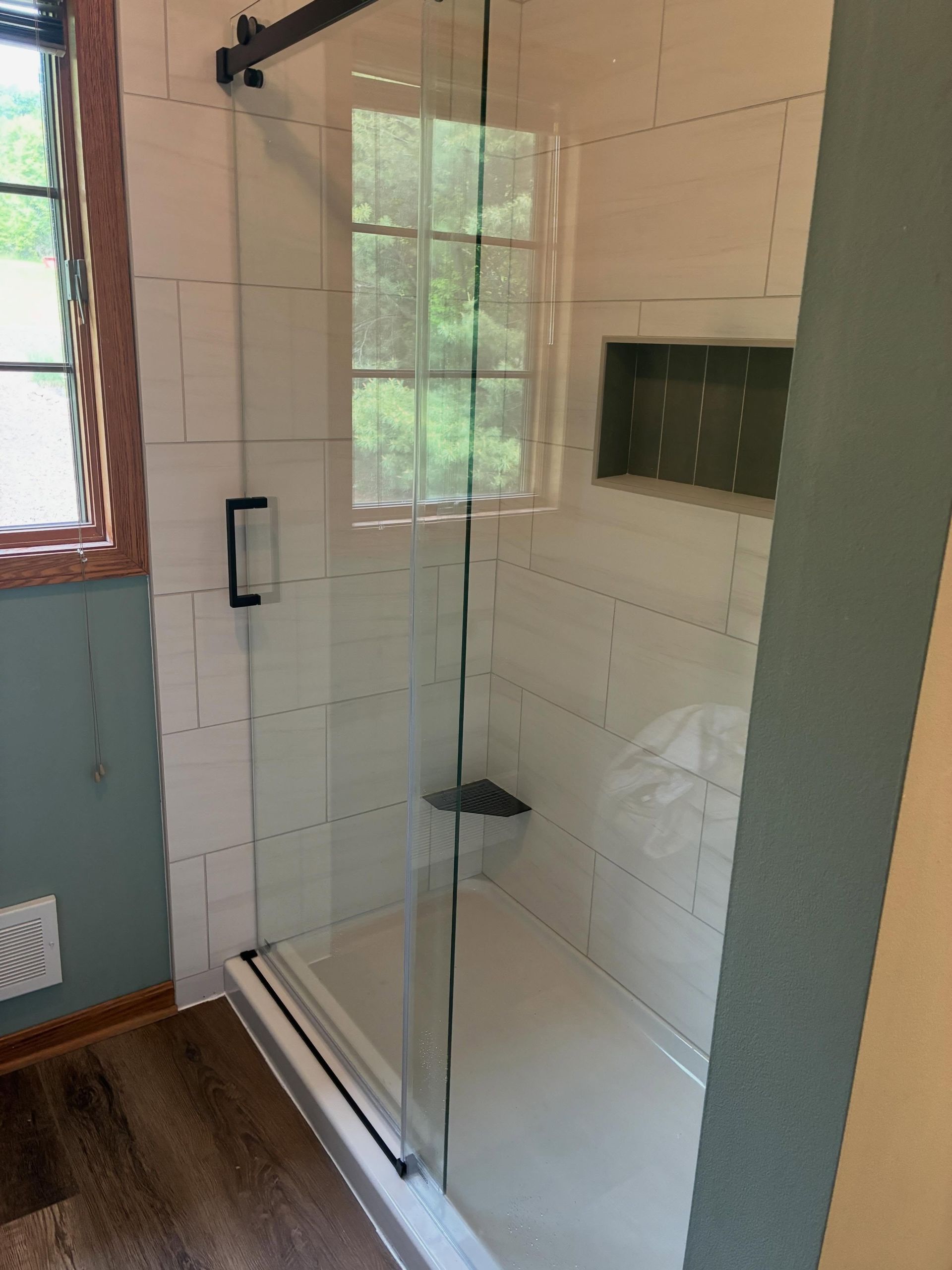
High tub walls that require lifting legs eighteen inches off the floor create fall risks for homeowners with limited mobility, balance concerns, or joint stiffness that makes stepping over obstacles difficult—and many households rarely use soaking tubs despite dedicating significant bathroom floor space to them. Tub-to-shower conversions remove the existing bathtub and surround, then install low-threshold or curbless walk-in showers with waterproof wall systems, modern glass enclosures, and optional grab bars positioned for stability during entry and bathing. Blueprint Builders completes these conversions in Medina with faster installation timelines than full bathroom remodels, making the upgrade practical for homeowners who need improved accessibility without extended disruption or the expense of reconfiguring plumbing rough-in.
The conversion process involves removing the old tub and tile or fiberglass surround, inspecting subfloor and wall framing for water damage that requires repair, installing a new shower base with integrated or tiled threshold, fitting waterproof wall panels or tile systems depending on aesthetic preference, and adding glass doors or panels that contain water without the visual weight of full enclosures. Low-threshold entries reduce step-over height to four inches or less, and curbless designs eliminate the threshold entirely by sloping the bathroom floor toward the shower drain, though curbless installations require subfloor modification that adds time and cost.
Request an estimate to review tub-to-shower conversion options based on your current bathroom layout and accessibility needs.
Why Faster Installation Works for Accessibility Upgrades
Waterproof wall systems arrive as pre-finished panels that install directly over existing wall studs without tile-setting time or grout curing delays, and shower bases drop into place over the existing drain location without requiring full subfloor removal. Grab bars are mounted into blocking installed between wall studs during the framing phase, so they support body weight without pulling loose from drywall anchors. Glass panels are measured after wall and base installation to account for any out-of-plumb conditions, then tempered and drilled for hardware before final fitting.
After the conversion, you'll notice entry and exit that no longer requires high leg lifts or balance adjustments to clear tub walls, floor space that feels more open because walk-in showers occupy less visual bulk than tub-shower combinations, wall surfaces that resist mildew and soap scum better than textured fiberglass or grout joints, and grab bars positioned where you naturally reach for support during standing and turning movements. Water containment improves because glass enclosures seal more effectively than shower curtains that allow spray to escape onto bathroom floors.
Blueprint Builders coordinates tub removal, shower installation, and finish work within compressed timelines to minimize bathroom downtime. Easy-clean materials and low-maintenance shower systems reduce ongoing scrubbing effort compared to older tub surrounds with grout lines and textured surfaces that trap residue.
What Property Owners Usually Ask
Questions about tub-to-shower conversions often focus on accessibility features, installation speed, and material durability in wet environments.
What makes low-threshold showers different from curbless designs?
Low-threshold showers retain a small curb, typically three to four inches tall, that contains water while still reducing step-over height significantly compared to standard tubs, while curbless showers eliminate the curb entirely but require sloped flooring that directs water toward the drain and may involve subfloor lowering.
How are grab bars installed to support full body weight?
Bars are mounted to solid blocking—typically two-by-six or two-by-eight lumber installed horizontally between wall studs—and secured with screws long enough to penetrate through the wall surface and bite deeply into the blocking, because drywall anchors alone cannot support the forces applied during a slip or fall.
Why do waterproof wall panels install faster than tile?
Panels arrive pre-finished in large sections that cover multiple square feet with a single piece, eliminating the need for individual tile setting, mortar curing, grout application, and sealing steps that extend tile installation timelines by several days.
When should existing subfloors be replaced during conversion?
If tub removal reveals soft, discolored, or sagging plywood around the drain area, those sections are cut out and replaced before the new shower base is set, because compromised subfloors will eventually telegraph through as movement that cracks tile or causes shower pans to flex underfoot.
What accessibility features beyond grab bars improve shower safety?
Bench seating provides a place to sit while bathing, handheld showerheads allow rinsing without standing directly under the spray, slip-resistant flooring reduces fall risk on wet surfaces, and thermostatic valves prevent sudden temperature spikes that cause flinching movements. Medina homeowners retrofitting older bathrooms sometimes add multiple features to address current and future mobility needs.
Blueprint Builders handles tub-to-shower conversions where accessibility, installation speed, and material durability align with homeowner priorities. Contact us at (216) 236-3276 to discuss conversion options and schedule an assessment of your existing bathroom configuration.